- English
- Español
- Português
- русский
- Français
- 日本語
- Deutsch
- tiếng Việt
- Italiano
- Nederlands
- ภาษาไทย
- Polski
- 한국어
- Svenska
- magyar
- Malay
- বাংলা ভাষার
- Dansk
- Suomi
- हिन्दी
- Pilipino
- Türkçe
- Gaeilge
- العربية
- Indonesia
- Norsk
- تمل
- český
- ελληνικά
- український
- Javanese
- فارسی
- தமிழ்
- తెలుగు
- नेपाली
- Burmese
- български
- ລາວ
- Latine
- Қазақша
- Euskal
- Azərbaycan
- Slovenský jazyk
- Македонски
- Lietuvos
- Eesti Keel
- Română
- Slovenski
- मराठी
- Srpski језик

How Does an API 6D Ball Valve Improve Pipeline Efficiency?
Abstract: API 6D ball valves are critical components in pipeline systems, ensuring safe, reliable, and efficient flow control of liquids and gases. This article explores their design, applications, maintenance, and advantages, helping engineers and plant operators understand how to optimize system performance. Yongyuan, a leading manufacturer, provides high-quality API 6D ball valves tailored for industrial demands.
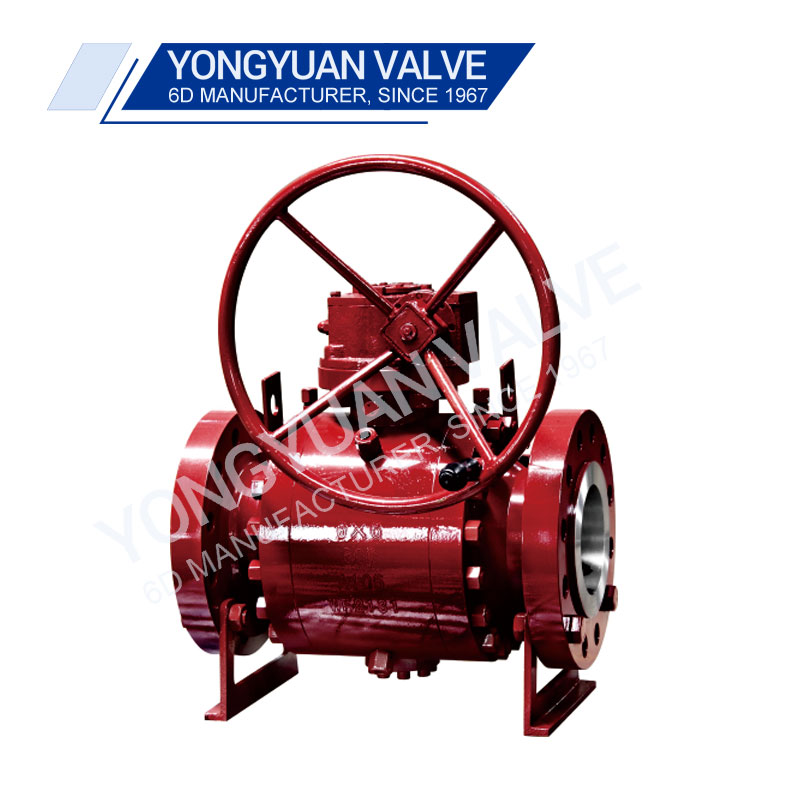
Table of Contents
- What is an API 6D Ball Valve?
- Key Features of API 6D Ball Valves
- Applications in Industry
- Materials and Design Considerations
- Installation and Maintenance Tips
- Advantages of Choosing API 6D Ball Valves
- FAQ
- Conclusion
What is an API 6D Ball Valve?
The API 6D ball valve is a type of quarter-turn valve designed for high-pressure pipeline systems, primarily in oil and gas industries. Manufactured to meet American Petroleum Institute (API) 6D standards, it ensures leak-proof performance and robust operation under extreme conditions.
Unlike standard ball valves, API 6D valves are engineered for:
- High-pressure and high-temperature pipelines
- Critical service applications where safety is paramount
- Full-bore flow to minimize pressure drop
Yongyuan’s API 6D ball valves offer precision-engineered components with reliable sealing mechanisms to meet these demands.
Key Features of API 6D Ball Valves
API 6D ball valves are designed with features that enhance performance and durability:
| Feature | Description |
|---|---|
| Full Port Design | Ensures minimal pressure drop and smooth flow. |
| High Pressure Rating | Can handle up to 2500 PSI in standard models. |
| Fire-Safe Design | Prevents leaks even under extreme temperatures or fire incidents. |
| Double Block & Bleed Option | Provides isolation and ensures pipeline safety during maintenance. |
| Durable Seats & Seals | PTFE, PEEK, or metal-to-metal options for various media compatibility. |
Applications in Industry
API 6D ball valves are widely applied in:
- Oil and gas pipelines (onshore and offshore)
- Petrochemical plants
- Power generation systems
- Water treatment facilities
- High-pressure steam systems
In each application, API 6D valves contribute to:
- Reliable isolation of pipeline sections
- Prevention of leakages and environmental hazards
- Enhanced operational efficiency and reduced downtime
Yongyuan specializes in tailoring API 6D valves to meet specific operational challenges, from extreme temperatures to corrosive media.
Materials and Design Considerations
Material selection is crucial for valve longevity and performance. Common materials include:
- Carbon steel for general service pipelines
- Stainless steel for corrosion-resistant applications
- Alloy steel for high-temperature or high-pressure environments
Design considerations include:
- End Connections: Flanged, butt-weld, or threaded depending on pipeline requirements
- Seat Type: Soft seats (PTFE) for leak-free service, or metal seats for abrasive media
- Actuation: Manual, electric, or pneumatic options
Proper selection ensures the valve operates safely under all conditions while minimizing maintenance costs.
Installation and Maintenance Tips
Proper installation and regular maintenance are essential to maximize the service life of API 6D ball valves:
- Ensure alignment and proper torque when flanging the valve
- Check for foreign debris in the pipeline before installation
- Lubricate moving parts if required by the manufacturer
- Conduct regular inspections for leaks, corrosion, or seat wear
Yongyuan provides detailed installation manuals and support to help clients maintain optimal valve performance over time.
Advantages of Choosing API 6D Ball Valves
Investing in API 6D valves brings numerous benefits:
- High reliability and leak-proof operation
- Compatibility with high-pressure and high-temperature systems
- Long service life due to durable materials and construction
- Reduced operational downtime and maintenance costs
- Enhanced safety in critical pipeline applications
Yongyuan’s API 6D valves combine precision engineering and quality materials to ensure superior performance across industries.
FAQ
Q1: What is the maximum pressure an API 6D ball valve can handle?
A1: Standard API 6D ball valves can handle pressures up to 2500 PSI, depending on material and design specifications.
Q2: Can API 6D ball valves be automated?
A2: Yes, they can be equipped with electric or pneumatic actuators for remote operation.
Q3: What is the difference between soft-seated and metal-seated API 6D valves?
A3: Soft-seated valves offer tighter sealing for clean media, while metal-seated valves are ideal for high temperatures and abrasive media.
Q4: How often should API 6D valves be inspected?
A4: Inspection frequency depends on operational conditions, but a general guideline is every 6–12 months for routine maintenance.
Conclusion
API 6D ball valves are essential for safe and efficient pipeline operations. Their robust design, high pressure rating, and versatility make them a preferred choice for oil, gas, and industrial applications. Yongyuan provides industry-leading API 6D ball valves, ensuring reliability, safety, and long-term performance. For more information or to purchase high-quality API 6D ball valves, contact us today.